


JPMorgan Launches $50 Billion Buyback and Raises Dividend; Multiple Investment Banks Follow Suit After Stress Test

JPMorgan Chase announced on Wednesday a new $50 billion stock buyback plan and raised its quarterly dividend after the Federal Reserve's annual stress test showed the industry remained well-capitalized under stress scenarios.
The largest U.S. bank by assets said its quarterly dividend would increase by 10% to $1.65 per share (subject to board approval) and authorized the buyback plan effective July 1.
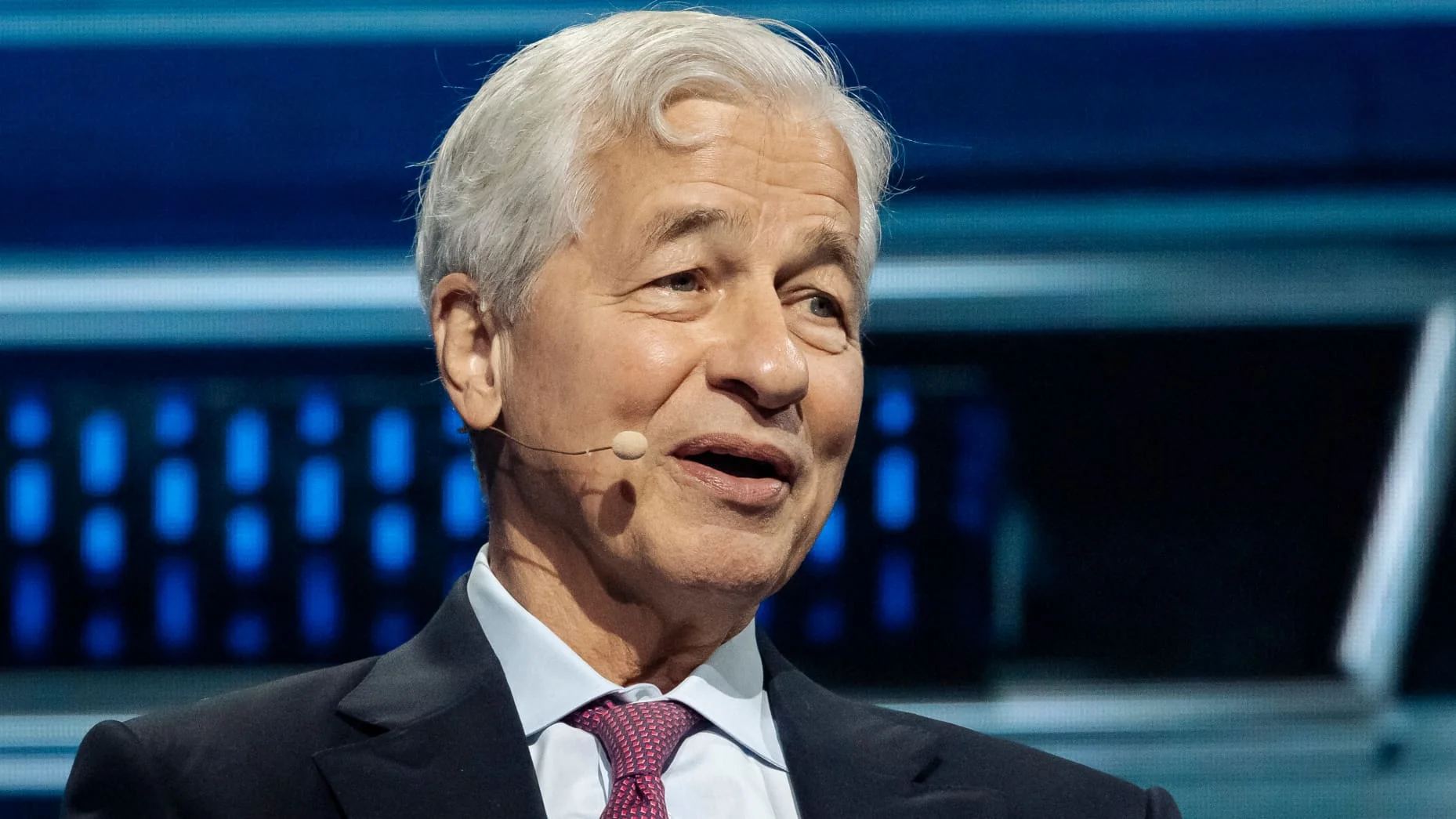
JPMorgan CEO Jamie Dimon said in a statement: "The planned dividend growth is supported by our ongoing investments in the business and strong financial performance. As always, we are prepared for a variety of scenarios, including the hypothetical 2026 regulatory 'severely adverse' scenario."
Meanwhile, Goldman Sachs also boosted shareholder returns, saying its quarterly dividend would rise by 11% to $5 per share, citing strong earnings and capital position.
Wells Fargo said it plans to increase its dividend by 11% to $0.50 per share. Morgan Stanley raised its dividend by 15% to $1.15 per share and reauthorized a $20 billion multi-year common stock buyback program.
Bank of America CEO Brian Moynihan said the bank would make an announcement on dividends next month.
The news followed the Fed's conclusion that 32 large banks had met minimum capital requirements. Under a hypothetical recession scenario, the industry was estimated to lose over $708 billion but still showed sufficient capital.
However, unlike previous years, this result will not affect bank capital requirements. The Fed had previously said it would keep stress capital buffers unchanged until 2027 while reforming the testing methodology. This meant banks knew their capital requirements as of Wednesday.
Although analysts expected the test to have limited near-term impact, several banks chose to increase dividends during the regulatory "transition period" as a signal of confidence.
Before the results were released, KBW described this year's stress test in a research report as "a formality" and said investors were more focused on the Basel III Endgame proposal expected later this year than on the Fed's annual test.

Copyright Notice: This article isTailan Global Finance AgencyOriginal content, please contact us for authorization to reproduce.